MJ Baselice
Narrative Designer
Narrative Designer from Montgomery, New York, with a BFA in Game Development from the Savannah College of Art and Design. From a young age, I've had a knack for creating art and telling stories. Whether that was for games on the playground, or for the characters I would draw in my sketchbook.Games have always been a source of inspiration for the art I create. From the Fantasy world of Skyrim to the ever-spiraling realm of Alan Wake. I aspire to be part of something that inspires others to make art and impact their lives the way my favorite games have.
Projects
Contact Me
You can find me on Bluesky, X, and Instagram for Job inquires or collaborations reach out to me through email or the contact form below.
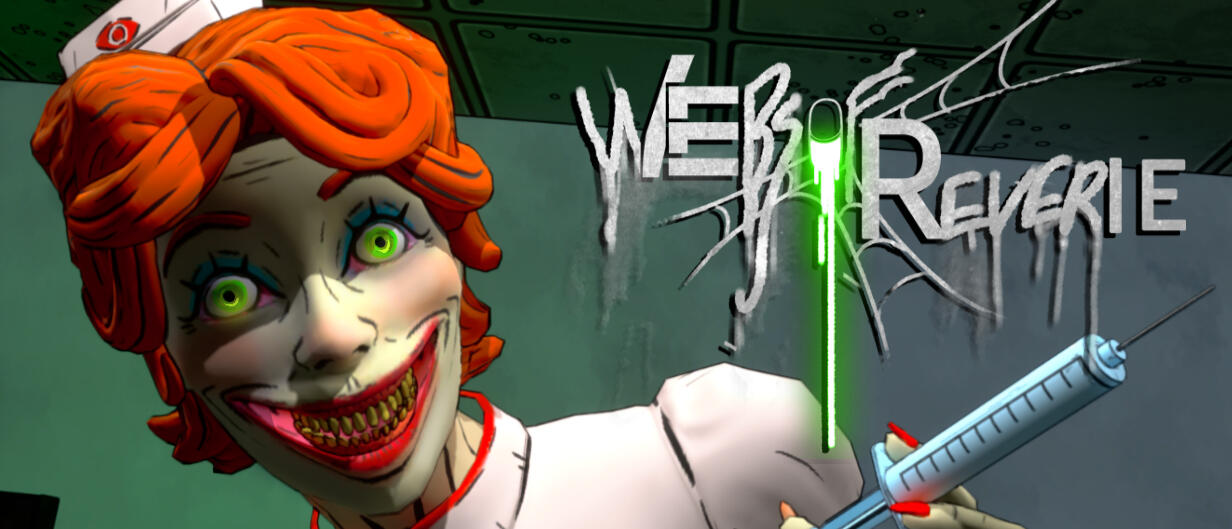
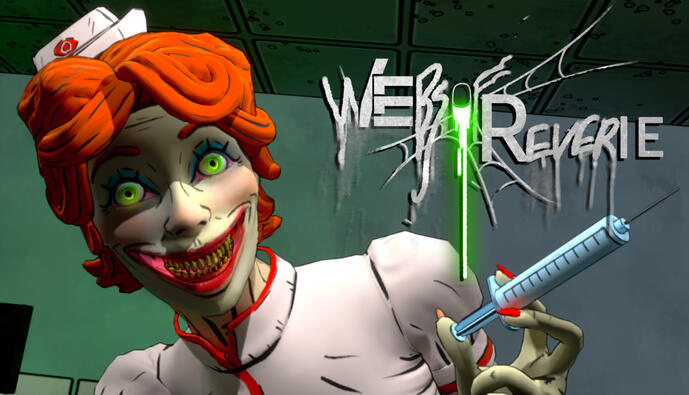
Webs of Reverie is a survival horror game about a man who wakes up in an asylum with no memory of who he is or how he got there. As he explores and learns more, one thing becomes increasingly clear: he must escape. In the game, the player must solve the asylum's mystery with the help of the only other patient there, solve puzzles, and avoid being caught by the uncanny Nurse Bloodwell. Will you be able to escape the walls of Ironveil Psychiatric Hospital or fall victim to what lies in the shadows?
Role: Game Director and Narrative designer
-Developed core game mechanics and story-Coded and developed initial prototype using UE5 blueprinting-Lead a team of 23 people (7 core members and 16 extra help)-Utilized agile methodology to complete development-Wrote and implemented all dialogue-Wrote scripts in data tables for in-game implementation and Script format-Directed and worked with Voice Actors.-Wrote all in-game flavor text- Developed and implemented the core Quest-Worked with the art director to create a cohesive style for the game.-Assisted with 2D and 3D game assets
Case Study
Concept phase
When I originally began this project, it was an independent project, and I had just watched the Apple TV show “Severance” for the first time and was feeling very inspired. I became really obsessed with the idea of discovering the protagonist's identity with them. I then decided to research other series I’ve seen that do a similar thing, one of which is Q. Hayashida’s Dorohedoro. I ultimately decided I wanted this story to take place in an insane asylum and took inspiration from media like American Horror Story season 2 and One Flew Over the Cuckoo's Nest.
This was the initial prototype I made using an asset pack from the Unreal marketplace, Character sprites drawn by @carebearvinny and @gabiz.porti.art on Instagram. This prototype took me about 10 weeks. This included the initial concept phase, asset finding, coding, and implementation. Despite it being extremely rough, it was enough to prove the concept and establish what the core gameplay would feel like. After I finished the prototype, I moved on to pitching my concept to my classmates to try to find people to join the project.
After figuring out the kind of story I wanted to tell, developing the prototype, and finding people to work on the project, I moved on to determining the narrative pillars. I knew I wanted the main themes to be Paranoia, deception, mystery, and survival. When I first developed this idea, it was going to lean more towards action-adventure with horror elements. But over time, the story felt more suited for survival horror. This switch allowed the gameplay to support the story, making it feel as if the player is in just as helpless a situation as the main character, Frank, finds himself in. Limited resources, as the looming threat actively stalks the player throughout the asylum, as they try to uncover the mystery of themselves and the horrific place they find themselves trapped in. I then wrote the narrative sample to nail down the story's vibe and style.
This story uses a linear story model following the three-act narrative structure. I reference how other survival-horror game story structures go. I plotted the story in Miro, using color-coded notes so the designers could more easily find the information they specifically needed.
For the world building, I wanted the game to take place in an abandoned asylum overtaken by an eldritch being, warping the environment and distorting patients' perceptions. The hospital consists of winding halls and an archive incongruent with the asylum above. The asylum is inspired by the real-life Hudson River State Hospital in Poughkeepsie, NY, located about 30 minutes from my home. Our level designer, Elijah Porter, referenced the hospital for the layout. While choosing the setting, I was playing Alan Wake and feeling homesick, so I chose Poughkeepsie to capture the horror of a secluded old town.
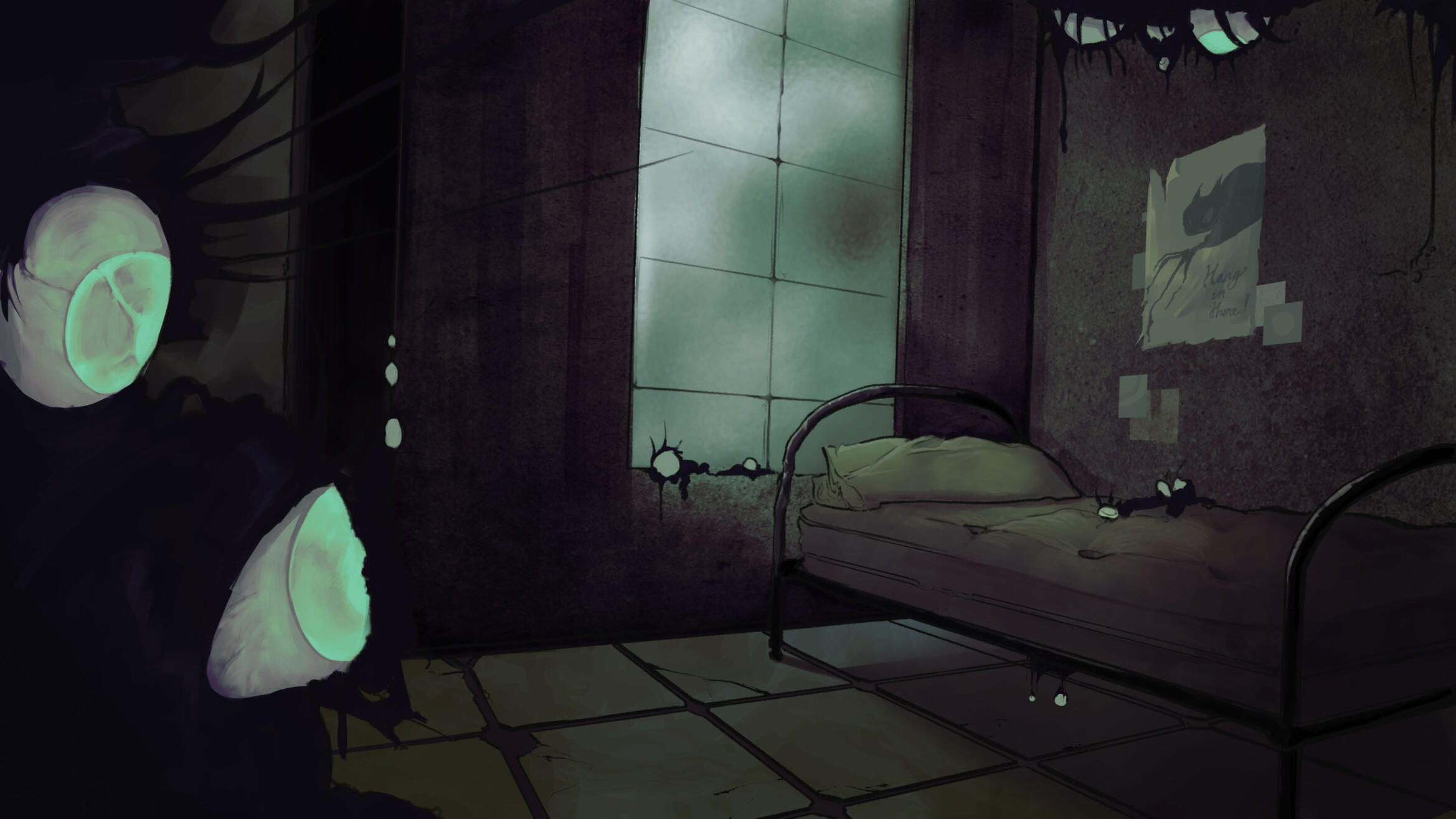
Environment concept art done by Amelia McPartlin
Once I had the general story and world planned out, I moved on to developing the characters that would appear in the game. My approach to designing characters is to figure out their purpose in the game, their backstory, and general character traits, or finding characters that are similar to them to give me a general direction when writing them. When I initially concepted the game, there was supposed to be a plethora of characters who would help you throughout the asylum, but as we began development, due to time constraints, I, the art director, and my co-lead decided to focus on the core characters we needed.
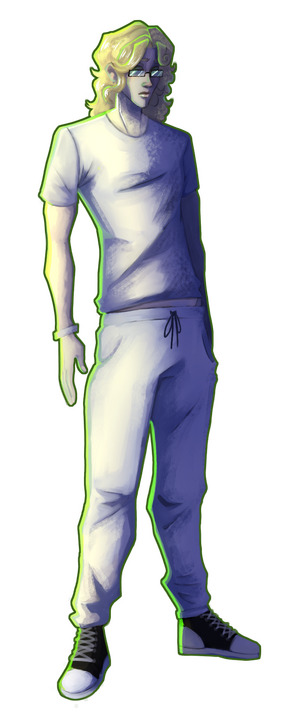
Character concept art done by MJ Baselice
Frank was the first character I began developing, as he is the main character of the game. Frank is a paranoid schizophrenic who's found himself trapped in the walls of Ironveil Psychiatric hospital with no memory of how he got there or who he is. As I previously mentioned, when initially developing the story, I was really drawn to the idea of watching a character piece together who they are throughout the course of a story. I began with developing his backstory and how he ended up in Ironveil. I wanted to develop his backstory first, as I needed a basis to figure out where in the main story I could start to imply it. When developing his backstory I also looked for inspiration in other survival horror protagonist, looking at James Sunderland from Silent Hill 2, and Ethan Winters from Resident Evil: Biohazard and Resident Evil: Village. What made those characters work so well was the fact that they were normal people thrown into horrific situations. My main focus when it came to actually writing Frank and his dialogue is to maintain his confusion and stand-offish persona. I also wanted to make sure that, throughout the story, Frank becomes progressively more defiant toward the Doctors around him, who he knows are lying to him, and more trusting of Louise as they help each other more and more.
Bloodwell was an exciting character to develop as I explored how she ended up in the asylum working for Luthor. As I began shaping her, I considered familiar archetypes with qualities resembling my initial concept for Bloodwell. I wanted her to embody a Nurse Ratched-like persona, but with a distinctly uncanny presence. My research didn’t yield a fitting reference until I recalled Nikola Orsinov from the podcast The Magnus Archives, whose human mimicry inspired Bloodwell’s strangeness. Bloodwell is essentially Luthor’s puppet, transforming into a grotesque, fish-like creature. I aimed for her features to look deliberately artificial and unsettling. Writing her, I ensured she would consistently deny reality and manipulate Frank into doubting his sanity, to ensure she came off as unsettling as possible.
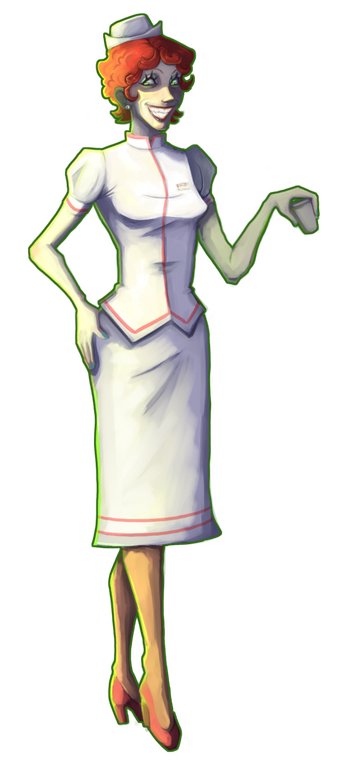
Character concept art done by MJ Baselice
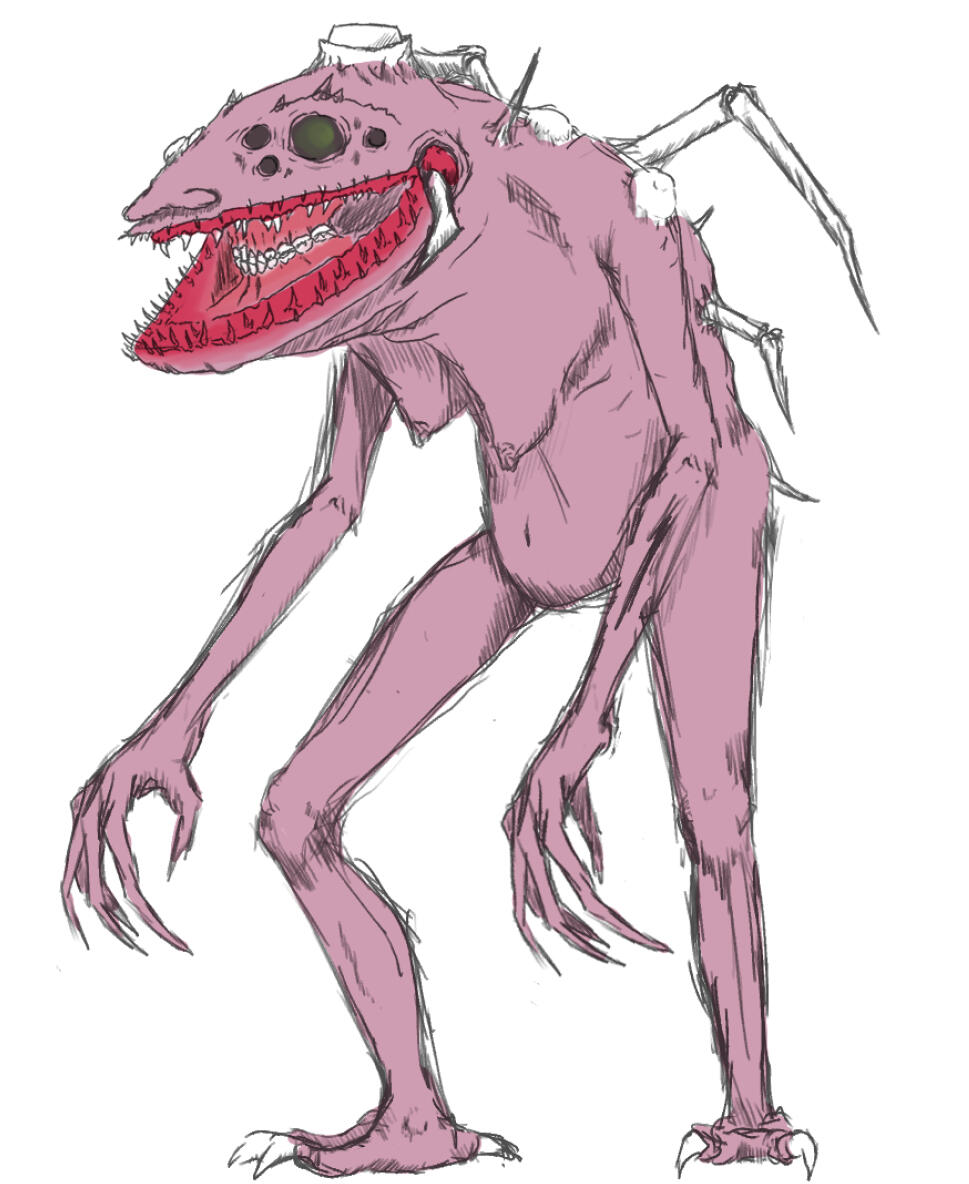
Character concept art done by Hayden Buttery
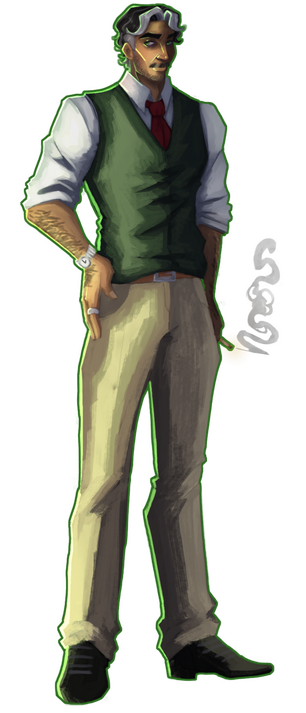
Character concept art done by MJ Baselice
Luthor was one of the most challenging characters to try to figure out. I wanted him to have an air of charm while also having an air of superiority. He is the puppet master of the asylum, being the reason no one has their memory. I didn't want to fall into the rabbit hole of trying to write this malevolent, all-knowing being, as the character can only be as smart as the person writing them. Luthor appears in two scenes in the game, but his impact is felt throughout the story. I didn't want him to show up early, as I felt it was important to show how far his web stretches across the asylum before revealing him to the players. I wanted players to have their own assumptions about him before meeting him. When developing his backstory, I went back and forth on whether he was a worshiper of the old gods or a vessel for one, etc. Each option had its pros and cons, but I ultimately decided to make Luthor a man who worships the old gods rather than being possessed and or a vessel for one. This was because I figured it wouldn’t make sense for this omnipotent god-like being to be able to take people’s memories but not know what Frank is doing around the asylum, and not be able to find him.
Louise was the easiest character to develop and the one I envisioned most clearly. I wanted her to be sassy and mean, but ultimately well-intentioned. She’s been in the asylum longer than Frank and knows her way around, but got locked in the isolation ward after being caught too often. I based Louise on my little sister, to whom I’m very close. She’s often snappy and rude, but always means well. Louise serves as the quest giver, guiding Frank without directly instructing him. She is Frank’s connection to reality, believing him and knowing he isn’t crazy. As Frank’s only friend in this horrific situation, I wanted to focus on building gradual trust between the characters throughout the story. I mainly did this by lessening the name-calling throughout their dialogues and making them more friendly and trusting of each other.
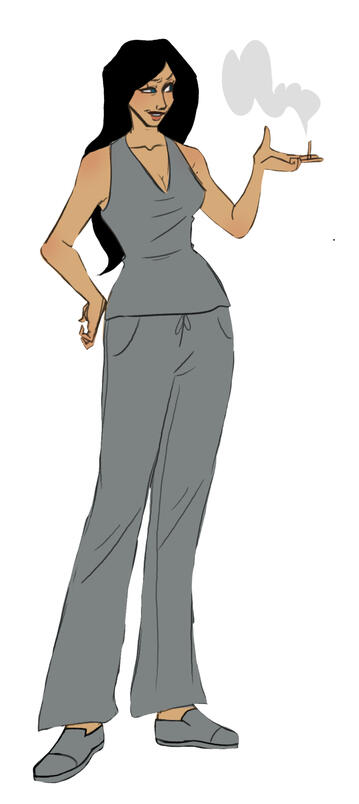
Character concept art done by MJ Baselice


When it came to writing the script, the voice actors used Final Draft, and the ones for implementation used a CSV. The dialogue system I originally made was a bit too rigid for what we needed, so our tech lead Ryan Giles developed a new system using some of the concepts from the one I made. He then programmed the quest system that could tie into the dialogue system. With the data table template, I took the scripts I wrote and implemented the sheets into Unreal Engine.
Once the systems were in place, we then went to casting and recording VO. While recording the VO, we used a soundproof booth and had each line as a separate audio file due to our wanting the lines of dialogue to show up as the audio played, and not being able to get our Voice actors in the same booth at the same time. Once we had all the lines recorded, we sent them off to our Sound team, who EQ’d and balanced all the raw audio. Then the final audio was implemented in the engine and attached to the dialogue tables.
At the start of development, we determined that by week 18, we would halt new content additions, dedicating the final two weeks to editing and polishing. Once content lock began, we planned to cut minor elements, such as select animations, and shift efforts toward essential features that couldn't be removed, like the end sequences. I initiated narrative content lock several weeks earlier, recognizing that every story change would trigger additional work. To avoid unnecessary work, I aimed to lock Narrative content by two-thirds of production. Given our schedule and the feedback I received on initial story drafts, I quickly revised scripts so the team could promptly implement necessary changes.
After rewrites and content locking happened, I needed to record new VO. When it came to editing, I had Alec Wallman, who was able to revise and make some of the scripts pre-recording sound a bit more natural. Then more edits came to the script when the voice actors were recording, if i noticed that they were struggling with a line, or kept messing up at one part of the scripts, id quickly re-word the script in an attempt to make the dialogue feel like it flowed better. would also rewrite the script a bit if the line wasn't flowing as well as I thought it would.
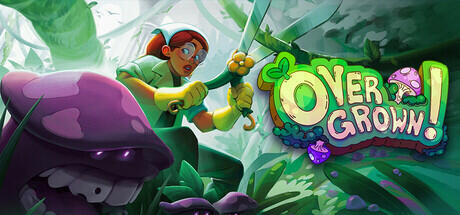
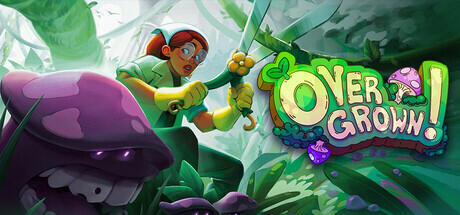
Overgrown! is a 2.5 RPG that I worked on for Game and Narrative Design. The game is about a girl named Lily whose dad has been missing for a while, so she goes to the museum he worked at, looking for answers. When she gets there, she finds that it has been taken over by plants that have come to life. She must befriend and fight off different plant-like creatures to figure out what happened to her dad and help him.
Role: Narrative and Game Designer
-Designed game mechanics and different key items.-Wrote all in-game flavor text-Collaborated with the concept artist to create 3 secondary NPCs. Created quest lines for each NPC.-Wrote and implemented dialogue-Assisted with overall story development-Wrote several in-game logs that helped develop the world
In this document I Wrote all the flavor text, helped refined item descriptions and worked with designers to come up with item names, and what they would be.
When I started developing the NPCs, the narrative and design team decided that we wanted several NPCs to tie to each potential wing in the museum. When I was given the task, I was given characters that were already designed by a concept artist, but I didn't feel like any of them really tied to the areas we were planning. I then decided to research different plants that would match the themes of the different areas. After I did my research, I brought my pitch to my leads and the concept art team, and it was immediately decided that this was the direction we were going to go in.

Caesar (art done by Overgrown! Character concept team)
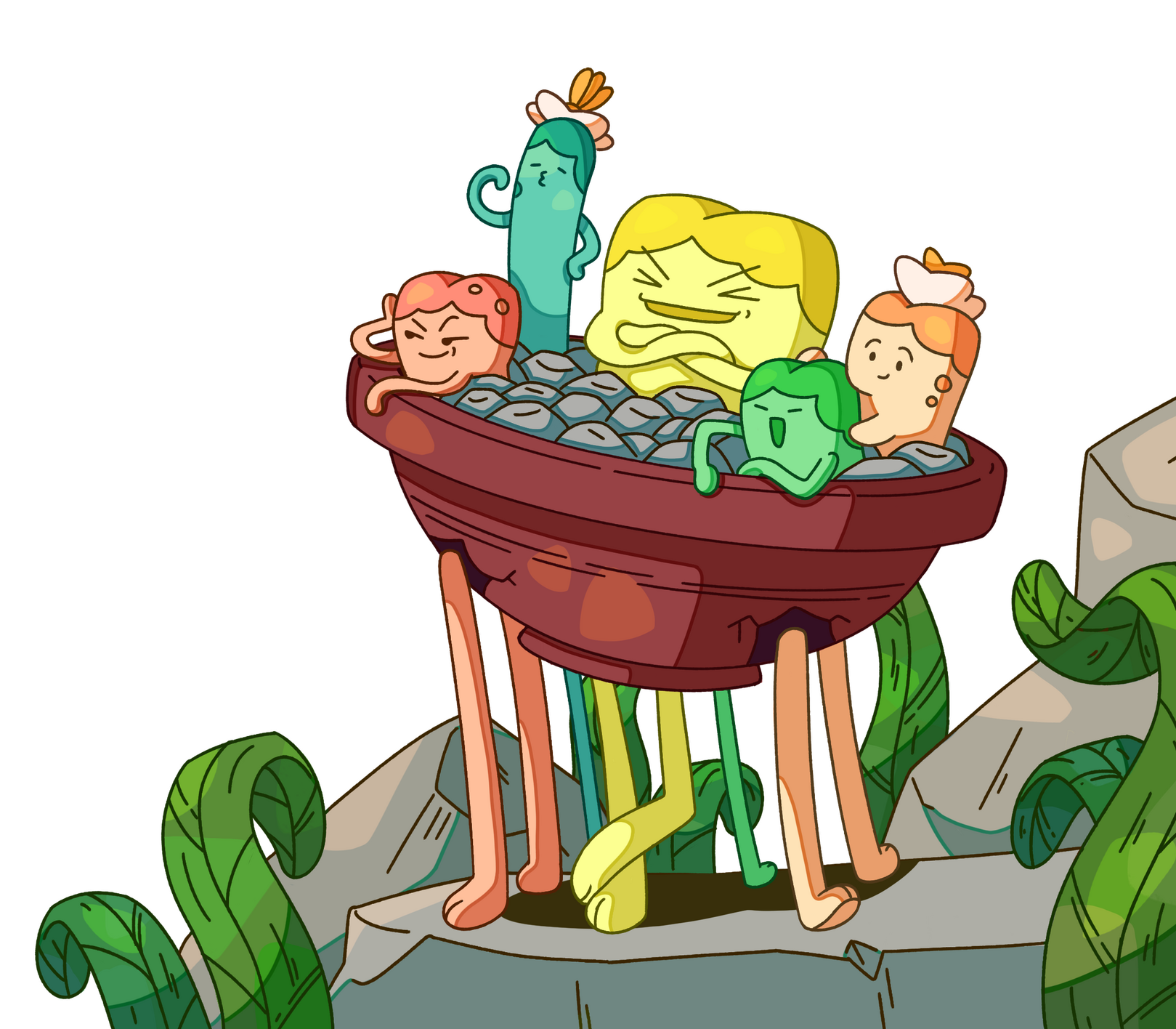
Balboa (art done by Overgrown! Character concept team)
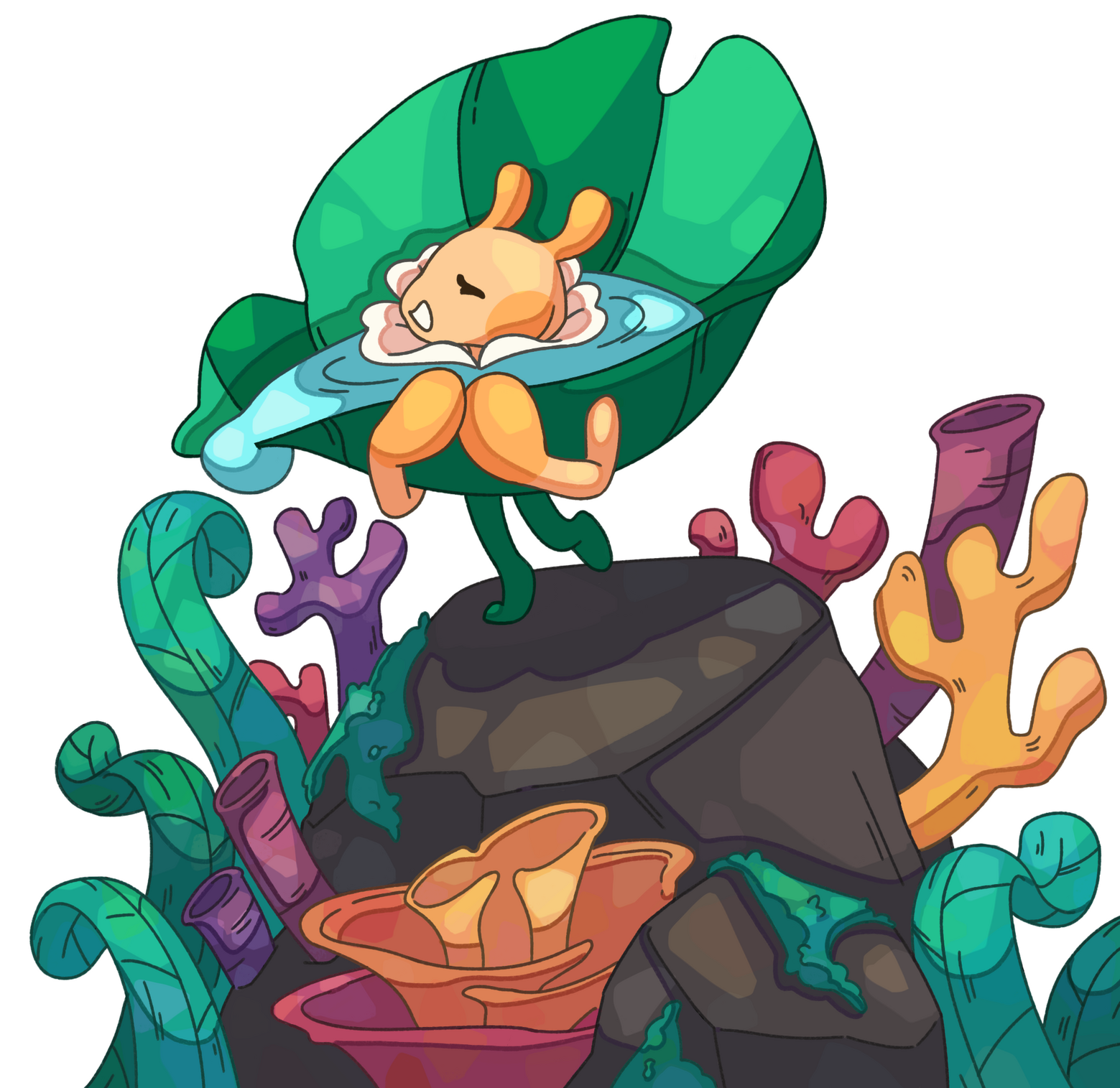
Chip (art done by Overgrown!Character concept team)
I worked with the design and Narrative team to developed the quest lines "Baobab's lost children" and "Balboa's keepsake"
In game Balboa dialogue samples:
In game Ceasar dialogue samples:
Hot as Hell is a dating sim I wrote, coded, and did the art for where you as the player have landed yourself in hell and must date your way to escape eternal punsihment.